
From the Farm · Planting Guides
How to Plant Fall Bulbs for a Colorful Spring Garden
A colorful spring garden starts months before the first flowers appear. For many of the most recognizable spring blooms, fall is the ideal time to get bulbs into the ground and give them the cool period they need before emerging in spring.
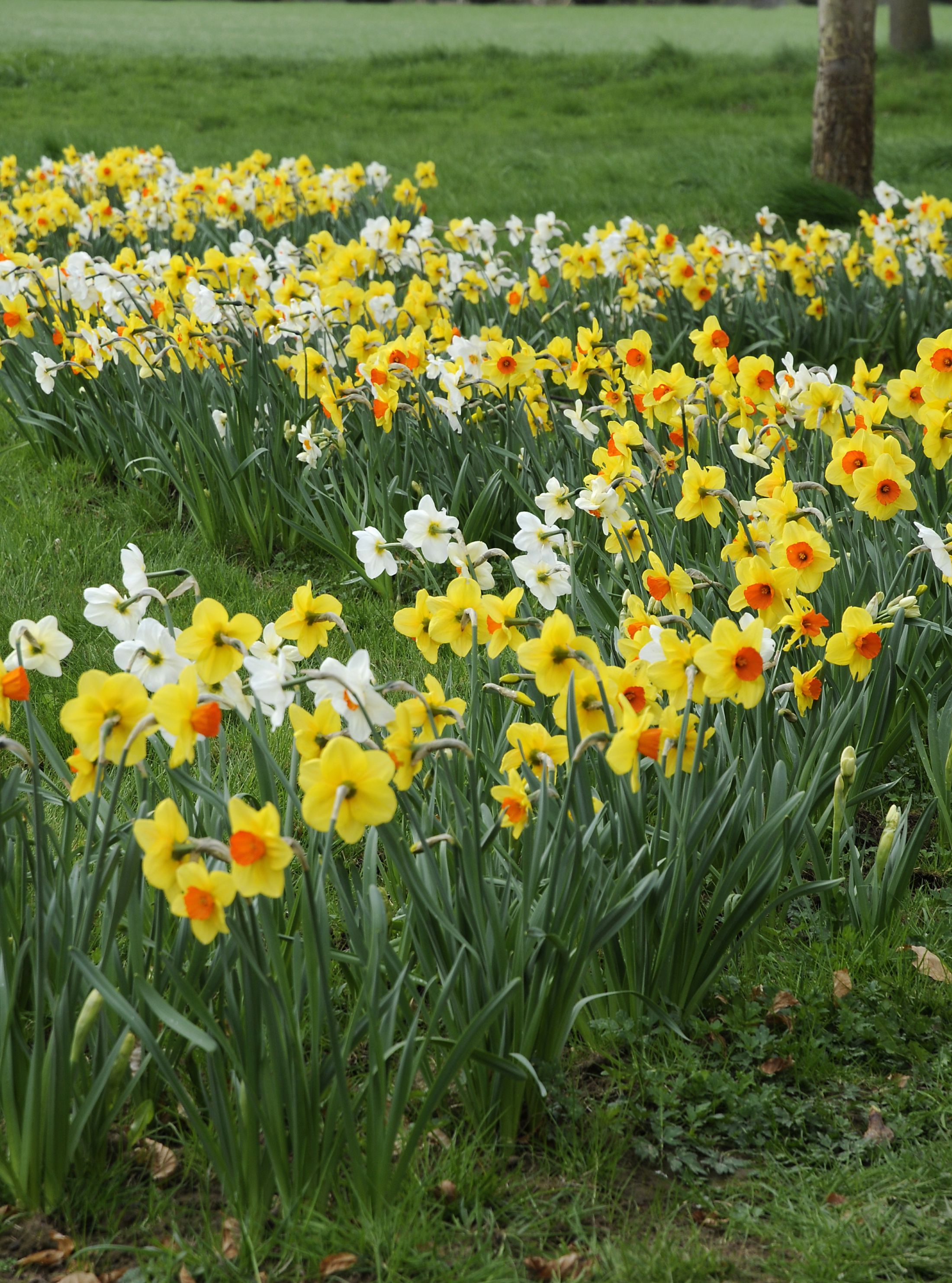
Planting fall bulbs is also one of the easiest ways to plan ahead for dependable seasonal color. From early-blooming crocuses to bold alliums and delicate anemones, choosing a combination of spring-flowering bulbs can create waves of color as the season progresses.
Whether you're adding a few bulbs to an established flower bed or planning an entirely new spring display, understanding when, where, and how to plant fall bulbs can help give them the strongest possible start.
Why Are Spring-Flowering Bulbs Planted in the Fall?
Many spring-flowering bulbs need exposure to an extended period of cool temperatures before they can produce their best spring growth and flowers. Planting in the fall allows bulbs to establish roots while the soil is still workable before colder winter conditions arrive.
Above ground, it may look like very little is happening. Beneath the soil, however, the bulb is preparing for the growing season ahead.
As temperatures warm in spring, stored energy within the bulb supports new foliage and flowers. This is why planning your spring garden during fall can produce such dramatic results several months later.
When Should You Plant Fall Bulbs?
The best time for planting fall bulbs depends largely on your local climate and soil temperature.
As a general rule, spring-flowering bulbs should be planted after temperatures begin cooling but before the ground freezes. Ideally, soil temperatures should be below approximately 60°F.
Gardeners in colder regions generally plant earlier in the fall, while those in warmer climates may need to wait until later in the season.
The goal is to give bulbs enough time to begin developing roots without planting so early that warm conditions encourage significant top growth before winter.
Choosing Fall Bulbs for Your Spring Garden
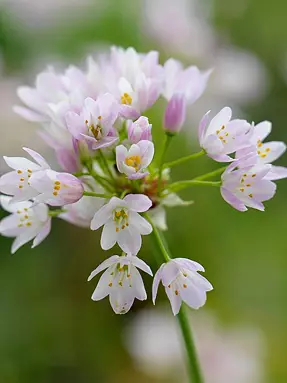
One of the biggest advantages of planting bulbs is the variety of colors, heights, shapes, and bloom periods available. Combining several varieties can help extend your garden's flowering season rather than creating one short burst of color.
Popular choices for a colorful spring garden include:
- Crocus bulbs for some of the earliest spring color
- Allium bulbs for distinctive globe-shaped flowers and vertical interest
- Muscari bulbs for clusters of compact, colorful blooms
- Iris bulbs for elegant flowers available in a range of colors
- Anemone bulbs for bright, delicate-looking spring flowers
- Daffodil and Narcissus bulbs for classic spring displays
Consider both bloom time and mature plant height when planning your layout. Earlier and later varieties can be combined to keep beds interesting throughout spring, while differences in height can add depth and structure.
Choosing several types of bulbs also gives you an opportunity to repeat colors throughout the garden or create contrasting combinations that change as different varieties come into bloom.
Where Should You Plant Spring-Flowering Bulbs?
Most spring-flowering bulbs perform best in areas with good drainage. Bulbs sitting in persistently wet soil are more susceptible to rot, making site selection an important part of successful planting.
Look for a location that provides the appropriate amount of sunlight for the varieties you're planting. Many spring bulbs thrive in full sun to partial shade.
Keep in mind that deciduous trees may not have fully leafed out when early spring bulbs begin growing. Areas that become shady later in the year can therefore still receive plenty of sunlight during the bulb's active spring growing period.
How Deep Should Fall Bulbs Be Planted?
Planting depth varies depending on the size and type of bulb, so the specific instructions provided for your variety should always take priority.
A commonly used guideline is to plant bulbs at a depth approximately two to three times the height of the bulb.
Larger bulbs will generally be planted deeper than smaller bulbs such as crocuses or muscari.
Place bulbs with the pointed end facing upward whenever the growing point is easy to identify. If you're uncertain which end is up, planting the bulb on its side can still allow the emerging shoot to find its way toward the surface.
How Far Apart Should Flower Bulbs Be Planted?
Spacing depends on the variety and the appearance you're trying to create.
For a natural-looking display, bulbs often look best when planted in informal clusters rather than perfectly straight rows. Larger groupings can also create a stronger visual impact once flowers begin appearing.
Always account for the mature size of the plants and follow variety-specific spacing recommendations where available.
Gardeners working with containers can typically plant bulbs closer together than they would in a garden bed, provided the bulbs are not touching and the container drains well.
Preparing the Soil Before Planting
Healthy bulbs need soil that allows excess water to drain away while still providing the conditions necessary for root development.
Before planting:
- Loosen compacted soil around the planting area.
- Remove rocks, weeds, and other debris.
- Make sure water does not routinely collect in the location.
- Improve poorly draining soil when necessary.
- Follow the individual growing requirements of the bulbs you're planting.
Good preparation is especially important in areas with heavy soil, where standing moisture can become a problem during winter.
Watering Bulbs After Planting
After planting, water the area thoroughly to help settle the soil around the bulbs and encourage root development.
Additional watering requirements depend on rainfall, soil conditions, and climate. The soil should not remain waterlogged.
Once bulbs enter their winter dormancy period, they generally require less attention until temperatures begin warming and growth resumes.
Creating a Longer Spring Blooming Season
Instead of relying on a single type of flower, consider designing your garden around successive bloom times.
Crocuses and other early-season bulbs can begin the display, followed by mid- and later-spring varieties. Differences in height can add another layer of interest, with shorter flowers toward the front of beds and taller varieties such as alliums providing structure behind them.
You can also repeat colors throughout a planting area to create a more unified appearance. With thoughtful planning, a single fall planting session can result in changing colors and textures throughout much of spring.
Can You Plant Fall Bulbs in Containers?
Yes. Many flower bulbs grow well in containers, making them an option for patios, porches, entryways, and gardens where planting space is limited.
Choose containers with adequate drainage and enough depth for the bulbs you're planting. Because containers are more exposed to changing temperatures than the ground, winter protection may be necessary depending on your climate and the variety.
Container planting also makes it easy to experiment with combinations of complementary colors, plant heights, and bloom times.
Frequently Asked Questions About Planting Fall Bulbs
What month should fall bulbs be planted?
There isn't one ideal month for every growing region. Plant once fall temperatures have cooled and soil temperatures are generally below about 60°F, while leaving enough time for root development before the ground freezes.
Can you plant flower bulbs too early in the fall?
Yes. Planting while temperatures are still too warm can encourage premature growth. Waiting for consistently cooler conditions helps bulbs begin establishing roots without producing excessive above-ground growth.
What happens if I plant bulbs too late?
Bulbs can often still be planted as long as the soil remains workable. However, earlier planting within the appropriate seasonal window gives them more opportunity to establish roots before winter.
Do fall-planted bulbs need to be watered?
Water thoroughly after planting. After that, rainfall may provide sufficient moisture depending on local conditions. Avoid allowing bulbs to sit in consistently saturated soil.
Do spring bulbs come back every year?
It depends on the variety, climate, and growing conditions. Some bulbs naturalize readily and return for many years, while others may perform differently depending on the environment and how they're maintained.
Start Planning Your Spring Garden This Fall
A beautiful spring bulb garden doesn't have to be complicated. Start with healthy bulbs, choose a well-drained planting location, follow the appropriate planting depth and spacing, and let the cooler months do much of the work.
By combining different fall bulbs with varying heights, colors, and bloom times, you can create a spring display that changes throughout the season rather than blooming all at once.
Ready to start planting? Explore Terra Ceia Farms' selection of flower bulbs and start planning now for the colors you'd like to see emerging next spring.
Shop spring-blooming bulbs → ← Back to all articles