
From the Farm · Planting Guides
Asiatic Lilies: How to Plant and Grow Asiatic Lily Bulbs
Asiatic lilies are a favorite among gardeners looking for bold summer color, dependable blooms, and a wide variety of flower colors. Their large, eye-catching flowers can create an impressive display in garden beds, borders, and containers without requiring an overly complicated growing routine.
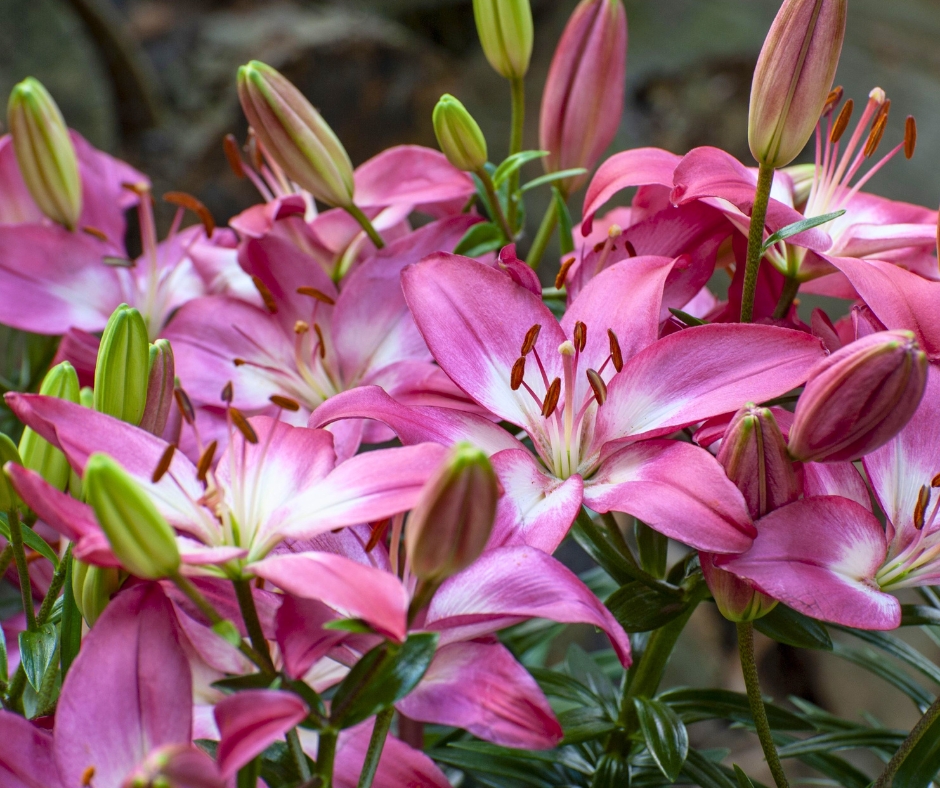
Available in shades ranging from white and pink to yellow, orange, red, and deep burgundy, Asiatic lilies make it easy to introduce color throughout the landscape. Different varieties can also be combined to create colorful groupings that return year after year when growing conditions are right.
A successful display starts below the soil. Choosing healthy Asiatic lily bulbs and planting them in the right location gives plants the foundation they need to develop strong stems, healthy foliage, and abundant flowers.
Whether you're adding a few lilies to an established perennial garden or creating a dedicated planting, understanding how to plant and care for Asiatic lilies can help you get the most from your bulbs.
What Are Asiatic Lilies?
Asiatic lilies are true lilies belonging to the Lilium genus. They grow from bulbs and are known for producing upright stems topped with large, colorful flowers.
One of their biggest advantages is versatility. Depending on the variety, plants can range considerably in height, making them useful throughout the garden.
Shorter varieties can work well near the front of flower beds or in containers, while taller varieties add height and vertical interest toward the middle or back of a perennial border.
Asiatic lilies also tend to bloom relatively early compared with many other lilies, helping transition the garden from spring flowers into the summer growing season.
When Do Asiatic Lilies Bloom?
Asiatic lilies generally bloom in early to midsummer, although exact timing depends on the variety, climate, and local growing conditions.
This makes them especially useful for gardeners trying to maintain continuous color as spring-flowering plants begin to fade.
Planting several Asiatic lily varieties with slightly different bloom periods can help extend the display. They can also be paired with other summer-blooming plants to create a garden that continues changing throughout the season.
When Should You Plant Asiatic Lily Bulbs?
Asiatic lily bulbs can typically be planted in either fall or spring, depending on your climate and when bulbs are available.
Fall planting gives bulbs an opportunity to begin establishing roots before winter, while spring planting allows gardeners to add lilies before the summer growing season.
When planting lily bulbs, avoid working in soil that is frozen, excessively wet, or waterlogged. The most important factors are healthy bulbs, appropriate soil conditions, and planting at the proper depth.
Where Should You Plant Asiatic Lilies?

Choosing the right location is one of the most important parts of growing healthy Asiatic lilies.
Look for an area that receives plenty of sunlight. Asiatic lilies generally perform best in full sun, although they can tolerate some partial shade.
Good drainage is equally important. Lily bulbs should not remain in consistently saturated soil, as excess moisture around the bulb can increase the likelihood of rot.
An ideal planting location provides plenty of sunlight, well-drained soil, adequate room for mature plants, and good air circulation.
One common gardening approach is to give lilies plenty of sun above ground while keeping the soil around their roots somewhat cooler with mulch or surrounding plants.
How to Plant Asiatic Lily Bulbs
Planting Asiatic lily bulbs is relatively straightforward, but proper depth, orientation, and spacing can make a significant difference as the plants become established.
Begin by loosening the soil in the planting area. Remove weeds, rocks, and other debris while making sure the location drains adequately.
Dig a hole to the recommended planting depth and place the bulb with the pointed growing tip facing upward and the flatter root area facing downward. Cover the bulb with soil and gently firm the planting area without heavily compacting it.
Water thoroughly after planting to settle the surrounding soil and encourage root development.
When planting multiple bulbs, consider arranging them in groups rather than isolated individual plants. Clusters of lilies can create a stronger visual impact once they begin flowering.
How Deep Should Asiatic Lily Bulbs Be Planted?
Planting depth can vary depending on the size of the bulb and specific variety, so always follow the instructions provided with your bulbs when available.
As a general guideline, lily bulbs are often planted several inches beneath the soil surface, with larger bulbs planted deeper than smaller ones.
Proper planting depth helps anchor the developing plant as its stems grow taller while providing the bulb with some protection from changing soil temperatures.
How Far Apart Should Asiatic Lilies Be Planted?
Spacing depends on the mature size of the variety.
Asiatic lilies need enough room for their foliage to develop and for air to circulate between plants. At the same time, lilies often have the greatest visual impact when planted in groups.
Rather than spacing individual bulbs throughout an entire garden bed, consider creating clusters of several bulbs.